Mombasa County Sub-Targets for the Project Find methods of - - PDF document

mombasa county sub targets for the project
SMART_READER_LITE
LIVE PREVIEW

Mombasa County Sub-Targets for the Project Find methods of - - PDF document

Status and Interventions Mombasa County Sub-Targets for the Project Find methods of Increase the education within the knowledge within the designated areas designated areas Improve cooperation and knowledge within designated areas


slide-1
SLIDE 1

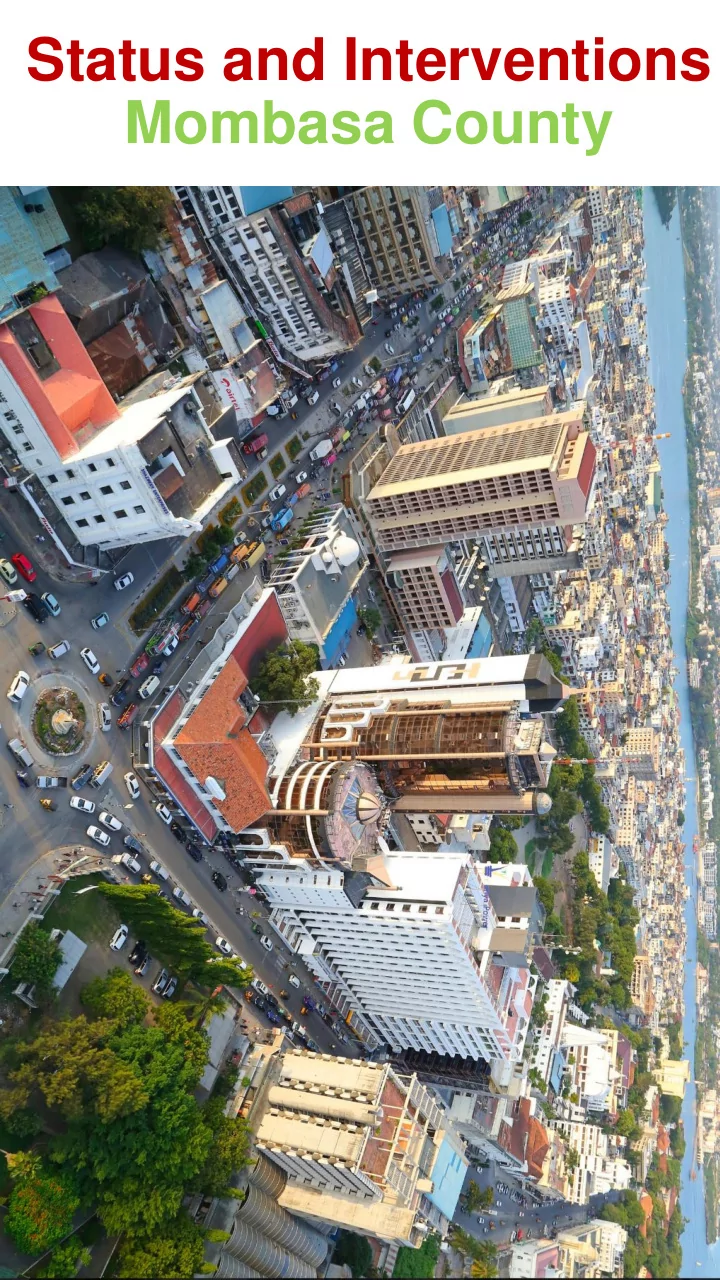
Status and Interventions Mombasa County

slide-2
SLIDE 2

Sub-Targets for the Project

Find methods of education within the designated areas Increase the knowledge within the designated areas Improve cooperation and knowledge within designated areas

slide-3
SLIDE 3

Knowledge increase within the target area

slide-4
SLIDE 4

Educating the target group

Awareness creation to the public

  • n waste segregation during the

Agricultural Society of Kenya Show

slide-5
SLIDE 5

Study Visits

Environmental Officers participated in study visit on environmental governance in Denmark, September 2019

slide-6
SLIDE 6

Study visits

Environmental Officers on study visit to Denmark

  • n Solid Waste

Management, November 2019

slide-7
SLIDE 7

Public Dialogue

slide-8
SLIDE 8

Transparency and Public Participation

Public Participation for Solid waste management Policy and Bill, October 2019

slide-9
SLIDE 9

Methods of Education within the target area

https://mijibora.org/ http://www.mombasa.go.ke/ https://web.facebook.com/pg/Department-of-Environment-Mombasa- County-679005298925795/posts/?ref=page_internal

slide-10
SLIDE 10

Improve cooperation and knowledge in the target area

slide-11
SLIDE 11

CGM vs UNHABITAT

file:///C:/Users/DR.%20NATO/Desktop/Mombasa%20Future%20Waste %20Flow%20(3).pdf

slide-12
SLIDE 12

CGM vs ETHEKWINI

Peer to Peer Exchange learning visit with representatives of eThekwini Municipality in South Africa

slide-13
SLIDE 13

Learning Outputs

  • RECYCLING: Durban has a success story on recycling where materials are repurposed into valuable
  • goods. A good example is the recycled plastics into paving stones
  • COLLECTION POINTS: Increase efficiency of transport of waste to dumpsites through

concentrating collection at discrete points in informal settlements.

  • SEGREGATION OF WASTE AT SOURCE: Dealing with waste at source would be important.

Separation would reduce waste transport. The orange and black bags in Durban.

  • SYSTEMS APPROACH: Dealing with waste requires a systems approach as it cuts across many

sectors e.g. roads, drainage, planning ect.

  • NETWORKS: Institutionalise political support through engagement with international city

networks such as C40 Sister Cities.

  • CONTAINER DEPOSIT SCHEME: A container deposit scheme is implemented where recyclables are

left at designated sites for a deposit return.

  • COMMUNITY WASTE COLLECTION PROGRAMME: A network of stations could be set up, with

recycling holding bins and proper shelter as the nucleus of the community waste collection programme.

slide-14
SLIDE 14

CGM vs KARA (Policy and Bill)

Prevention: Manufacturers of products, consumers and other waste generators should endeavour to prevent generation of waste; Proximity principle: Waste should be managed close to where it is generated; Self-sufficiency principle: Where possible and practical, each urban area or zone should manage its own waste; Polluter pays principle: Those who generate waste should bear the cost of managing the waste to minimize risk to human health and the environment; Precautionary principle: Take precaution to safeguard human health and environment even if scientific evidence is not conclusive. Sustainable development: Promote development that meets the needs of the present without compromising the ability of future generations to meet their own needs; Inter-generational equity: Waste should not be managed in a way that bequeaths legacy problems to subsequent generations; Intra-generational equity: Waste management resources and services should be equitably accessible to all citizens or residents. Public participation: Stakeholder participation in solid waste management.

slide-15
SLIDE 15

ADMINISTRATION: County solid waste management committee, ward solid waste management committee. RIGHTS AND DUTIES:

  • Rights to clean environment, responsive county services and inclusive participation in SWM processes.
  • The duties of the citizens on matters solid waste management including prevention of waste generation,

proper waste handling, segregation, and proper disposal of waste. REGULATION OF SOLID WASTE MANAGEMENT

  • Strategies for prevention of solid waste generation.
  • Solid waste handling, storage and processing at source including the responsibilities of waste generators,

waste collectors, premise owners and the various penalties and fines for violations of this act.

  • Solid waste collection including provisions for waste handling at public places, and integration of youth,

women and persons with disabilities in service delivery chains.

  • Public-private partnerships in waste management process.
  • The requirements for licensing and the different classifications of licenses.
  • Gives enforcement guidelines.

SOLID WASTE MANAGEMENT PLANNING

  • The development of county solid waste management spatial plan
  • Mapping of the county into solid waste management zones.

FINANCIAL PROVISIONS

  • Outlines the levy fees and charges for the various players in solid waste handling.
slide-16
SLIDE 16

CGM vs GIZ

GIZ assisting the county to unlock financing for climate change projects

slide-17
SLIDE 17

END