
SLIDE 1
1
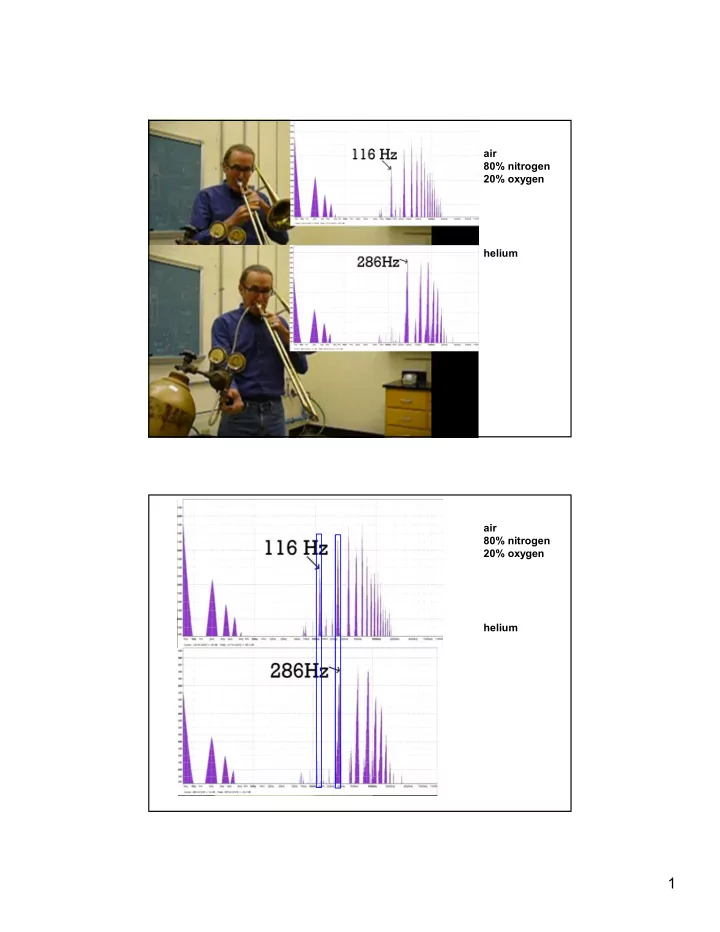
air 80% nitrogen 20% oxygen helium air 80% nitrogen 20% oxygen helium
1 The process of deep-frying can be divided into four stages: (1) - - PDF document
air 80% nitrogen 20% oxygen helium air 80% nitrogen 20% oxygen helium 1 The process of deep-frying can be divided into four stages: (1) Initial heating. The surface of the food reaches the boiling point of water. (2) Surface boiling. The
1
air 80% nitrogen 20% oxygen helium air 80% nitrogen 20% oxygen helium
2
The process of deep-frying can be divided into four stages:
(1) Initial heating. The surface of the food reaches the boiling point of water. (2) Surface boiling. The hot oil surrounding the food causes water inside the food to evaporate. (3) Decreasing heat transfer rate. Crust continues to dehydrate, less heat conduction, rate of heat transfer through escaping steam decreases (reduced bubbling). The remaining moisture inside of the food is slowly heated to the boiling point of water, which cooks the food inside as if it were boiled, gelatinizing the starch and denaturing the proteins in the food. (4) Bubble end point. Water from inside the food is no longer evaporating. Remove the fried food before it begins to absorb oil.
https://scienceandfooducla.wordpress.com/2015/08/25/fair-food-deep-frying/
3
Indiana Jones and the Raiders of the Lost Arc
Paramount, 1981
4
5
6
René Descartes (1596-1650)
7
Daniel Gabriel Fahrenheit German physicist 1709, alcohol thermometer 1714, mercury thermometer 1724, Fahrenheit Scale, allowed temperatures to be recorded reproducibly. Anders Celsius Swedish astronomer 1742, devised the centigrade
8
0 K
900 megahertz, 21.1-tesla NMR magnet at the FSU National High Magnetic Field Laboratory (Mag Lab)
liquid helium 4.2 K
9
10
11
12
13
14
15
16
17
https://en.wikipedia.org/wiki/Nitrogen_oxide