SLIDE 1
SLIDE 2
Rachel Carson Conference
Symposium on Pesticide Dependency
SLIDE 3
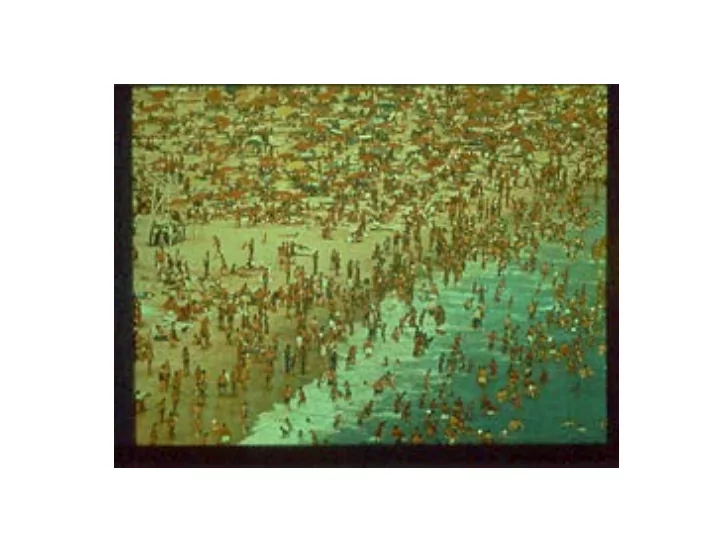
WORLD POPULATION
7 Billion people 60% Billion malnourished
SLIDE 4
SLIDE 5
FOOD CONSUMED per CAPITA
2,200 lbs per year
SLIDE 6
SLIDE 7
SLIDE 8
SLIDE 9
World Pesticide Use
6 billion pounds $45 billion/year
SLIDE 10
World Crop Losses
40% Pre-Harvest Losses 25% Post-Harvest Losses Total Losses = 52%
SLIDE 11
FOOD COMTAMINATION
Pesticides in Foods 5% above Tolerance Fruits and Vegetables
SLIDE 12
Human Poisonings
26 million = world 220,000 deaths
SLIDE 13
U.S. Pesticide Poisonings
300,000 non-fatal poisonings EPA
SLIDE 14
Rachel Carson Leadership
Carson Stimulation Designed Housefly Control Required Less than 1,000th Dosage
SLIDE 15
SLIDE 16
U.S. Corn and Soybeans
Insecticides plus Herbicides on Corn and Soybeans Total 310 billion kg
SLIDE 17
Organic Corn and Soybeans
Zero Pesticides Zero commercial nitrogen fertilizer Cover legume crop
SLIDE 18
22-year Experiment
Corn and Soybean Yields Exactly the Same In organic and commercial treatments
SLIDE 19
Organic Treatment
No Soil Erosion 35% extra labor Reduced costs
SLIDE 20
Organic Treatment
33% Reduced fossil energy No commercial fertilizers No insecticides or herbicides
SLIDE 21
Why are Pesticides Heavily Used
On Corn and Soybeans? And on other crops in the U.S.?
SLIDE 22
DDT
First used in 1945 By 1950 DDT Resistance
SLIDE 23
SLIDE 24
SLIDE 25
2,4-D Herbicide Impacts
Corn borer 33% larger + Produced more eggs Corn leaf aphids 1,700
SLIDE 26
2,4-D Herbicide
Black smut disease increased 5+ Lost resistance to Southern corn Disease pathogen
SLIDE 27
SLIDE 28
SLIDE 29
SLIDE 30
Natural Enemies Killed
Cotton = $200 million Other Crops = $300 million Total = $500 million
SLIDE 31
Rice Indonesia
Brown Plant Hopper $1 billion/year
SLIDE 32
Natural Enemy Controls
50% - 90% Control in Crops
SLIDE 33
Pesticide Resistance
520 insects & mites 200 weed species 150 plant pathogens
SLIDE 34
Costs of Resistance
$1.5 billion/year
SLIDE 35
SLIDE 36
Honeybees & Wild Bees
Benefits = $40 billion/year Pesticide Losses = $300 million/yr
SLIDE 37
Essential Role of Bees
About one third of all food Crops require bee pollination
SLIDE 38
Aircraft Applications
50% drift regular spray 75% drift ultra-low volume Never reaches target area
SLIDE 39
Ground & Surface Water
Scientific Assessment $20 billion/year Pesticide polluted water
SLIDE 40
Fishery Losses
EPA = $10/fish $25 million/year
SLIDE 41
Bird Kills
72 million birds/year $2.1 billion/year
SLIDE 42
Environmental & Public Health
Total Costs $12 billion/year No nestlings
SLIDE 43
Sweden Pesticides 10 years
Reduced pesticides 68% Reduced human poisoning 77%
SLIDE 44
Indonesia Pesticides Rice
Reduced pesticides 65% Rice yields increased 12%
SLIDE 45
SLIDE 46
Land and Food
99.7% = Land 0.3% = Oceans
SLIDE 47
SLIDE 48
SLIDE 49
SLIDE 50
SLIDE 51
WATER USE IN CORN
6 billion liters/growing season/ha 600,000 gallons/acre
SLIDE 52
WATER INPUTS
1,000 liters/kg grain 45,000 liters/kg beef
SLIDE 53
WATER: SOIL ORGANIC MATTER
5% soil organic matter Holds 820,000 liters water/hectare
SLIDE 54
SLIDE 55
SLIDE 56
INVASIVE PEST SPECIES
Invasive Species =50,000 Plants = 25,000 Microbes = 20,000
SLIDE 57
GMO’s
40% of research focused on Herbicide Tolerance in crops No increase in yields
SLIDE 58
Herbicide Tolerance
75% of GMO crops are Herbicide Tolerant No yield increase
SLIDE 59
World Pesticide Use
World = 3 billion kg U.S. = 0.5 billion kg
SLIDE 60
World Crop Losses
Pre-Harvest = 40% Post-Harvest = 25% Total = 52%
SLIDE 61
World Human Poisonings
26 Million Pesticide Poisonings 220,000 deaths
SLIDE 62
Damage and Control Costs
$137 billion per year
SLIDE 63
Causes of Extinctions
Human population = 45% Invasive species = 40%
SLIDE 64
Cotton Pesticides
Insecticides = 3-4 kg/ha
SLIDE 65
Perennials Grains
Energy Soil Erosion Rainfall Timing
SLIDE 66
Energy Inputs in Corn Ethanol
Total Input = 6,660 kcal (liter) Total Output = 5,130 kcal (liter) Minus = 29%
SLIDE 67
Corn Environmental Impacts
1,700 gal. Water/ethanol gal. Uses more nitrogen fertilizer More pesticides
SLIDE 68
CROPLAND DECLINE
20% per decade
SLIDE 69
IRRIGATION LOSS
10% loss/decade
SLIDE 70
FERILIZER DECLINE
17% decline/decade
SLIDE 71
WORLD GRAIN per PERSON
1960 = 270 kg 1984 = 340 kg 2004 = 300 kg
SLIDE 72
SLIDE 73
SLIDE 74
SLIDE 75