Matalasi Pasefika 1. Youth, technology and #DigitalNaBves - - PowerPoint PPT Presentation

matalasi pasefika
SMART_READER_LITE
LIVE PREVIEW

Matalasi Pasefika 1. Youth, technology and #DigitalNaBves - - PowerPoint PPT Presentation

New Zealands Pacific Futures Damon Salesa The University of Auckland, Pacific Studies The New Zealand InsBtute for Pacific Research Matalasi Pasefika


slide-1
SLIDE 1

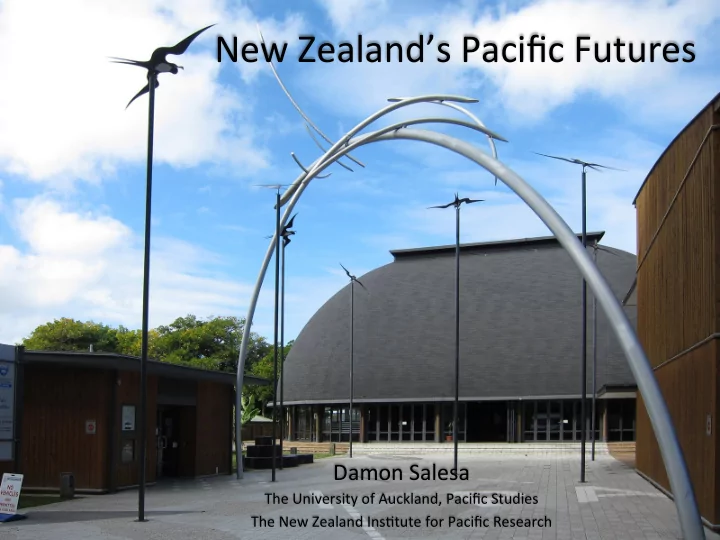
New ¡Zealand’s ¡Pacific ¡Futures ¡

¡

Damon ¡Salesa ¡

The ¡University ¡of ¡Auckland, ¡Pacific ¡Studies ¡ The ¡New ¡Zealand ¡InsBtute ¡for ¡Pacific ¡Research ¡
slide-2
SLIDE 2

Matalasi ¡Pasefika ¡

  • 1. Youth, ¡technology ¡and ¡

#DigitalNaBves ¡

  • 2. How ¡We’re ¡Living ¡
  • 3. Facing ¡Future ¡
slide-3
SLIDE 3

Po’e ¡2017 ¡

slide-4
SLIDE 4

InternaBonal ¡Internet ¡Bandwidth ¡per ¡ User ¡in ¡Samoa ¡and ¡Tonga ¡(bit/s) ¡

Samoa ¡ Tonga ¡

0 ¡ 2000 ¡ 4000 ¡ 6000 ¡ 8000 ¡ 10000 ¡ 12000 ¡ 2000 ¡ 2005 ¡ 2010 ¡ 2014 ¡ ITU ¡data ¡

slide-5
SLIDE 5

Technological ¡Change ¡in ¡the ¡Pacific ¡

– The Pacific has already experienced a range

  • f massive tech changes.

– Colonies were often the site of technological innovation. – Many have arrived as mature technologies (print literacy, radio, internal combustion). – Many technological changes have ‘skipped a generation’ (straight to wireless telegraphy; air travel; television) – Migration and transnational connections have produced a distinctive digital apparatus

  • Most Pacific societies have not only

retained the integrity of their cultures, language and societies, but have often used new tech to consolidate them.

slide-6
SLIDE 6

#PacificDigital ¡

  • Fundamentally transnational
  • Global US/European platforms:
  • esp. social media.
  • Mostly mobile (phones, mostly

android).

  • Formal and informal financial

structure

  • Limited infrastructure and

questions of scale.

  • Consumer network sensitivity and

awareness.

  • Prepay economy.
slide-7
SLIDE 7

Pacific ¡#Digitality ¡

  • Radically new concepts of

privacy and individuality

  • New opportunities for peer

communication

  • New access to unavailable

content and subjects

  • New financial connections

and capacities

  • Micro-organization and

time scale shift

slide-8
SLIDE 8

Revenue ¡from ¡all ¡TelecommunicaBons ¡

$0.00 ¡ $5,000,000.00 ¡ $10,000,000.00 ¡ $15,000,000.00 ¡ $20,000,000.00 ¡ $25,000,000.00 ¡ $30,000,000.00 ¡ $35,000,000.00 ¡ $40,000,000.00 ¡ $45,000,000.00 ¡ $50,000,000.00 ¡ 1990 ¡ 1991 ¡ 1992 ¡ 1993 ¡ 1994 ¡ 1995 ¡ 1996 ¡ 1997 ¡ 1998 ¡ 1999 ¡ 2000 ¡ 2001 ¡ 2002 ¡ 2003 ¡

Samoa ¡

slide-9
SLIDE 9

Digicel’s ¡Pacific ¡Market ¡Share ¡

80 ¡

55 ¡

33 ¡ 100 ¡ 97 ¡ 69 ¡ 0 ¡ 10 ¡ 20 ¡ 30 ¡ 40 ¡ 50 ¡ 60 ¡ 70 ¡ 80 ¡ 90 ¡ 100 ¡ Samoa ¡ Tonga ¡ Fiji ¡ Nauru ¡ Papua ¡New ¡Guinea ¡ Vanuatu ¡

slide-10
SLIDE 10

Taulaga ¡

  • Differences ¡made ¡
  • bservable ¡through ¡

technology ¡

– Different ¡generaBonal ¡ plaborms ¡ – Different ¡health ¡and ¡ wellbeing ¡issues ¡ – Limited ¡economic ¡

  • pportuniBes ¡

– New ¡possibiliBes ¡for ¡ innovaBon, ¡but ¡ demonstrable ¡constraints ¡

slide-11
SLIDE 11

GeneraBonal ¡Difference ¡

  • Our ¡children ¡are ¡different ¡

from ¡us. ¡

  • Younger ¡Pacific ¡people ¡are: ¡

– More ¡likely ¡to ¡have ¡English ¡as ¡ a ¡first ¡language ¡ – More ¡likely ¡to ¡marry ¡outside ¡ their ¡ethnicity ¡ – More ¡likely ¡to ¡idenBfy ¡with ¡ ‘no ¡religion’ ¡ – More ¡likely ¡to ¡be ¡born ¡in ¡NZ ¡ – More ¡likely ¡to ¡be ¡unemployed ¡ – Less ¡likely ¡to ¡own ¡their ¡own ¡ home ¡

Tongan ¡Children, ¡1939 ¡

slide-12
SLIDE 12

2013 ¡Census ¡

0 ¡ 20,000 ¡ 40,000 ¡ 60,000 ¡ 80,000 ¡ 100,000 ¡ 120,000 ¡ 140,000 ¡ 160,000 ¡ Samoan ¡ Cook ¡Islands ¡Maori ¡ nfd(5) ¡ Tongan ¡ Niuean ¡ Fijian ¡ Tokelauan ¡ 2001 ¡ 2006 ¡ 2013 ¡

295,941 ¡Pacific ¡People ¡in ¡New ¡Zealand ¡ 194,958 ¡in ¡Auckland ¡

¡

slide-13
SLIDE 13

Percentage ¡of ¡PopulaBon ¡who ¡are ¡ Children ¡

0 ¡ 5 ¡ 10 ¡ 15 ¡ 20 ¡ 25 ¡ 30 ¡ 35 ¡ 40 ¡ % ¡Children ¡ European ¡ Asian ¡ MELAA ¡ Māori ¡ Pacific ¡

35.7% ¡of ¡Pacific ¡People ¡are ¡Children ¡

slide-14
SLIDE 14

Young, ¡Giied ¡and ¡Brown ¡

The ¡Polynesian ¡PopulaBon ¡of ¡New ¡Zealand ¡is ¡Booming ¡

In ¡the ¡2006 ¡Census ¡

  • The ¡New ¡Zealand ¡median ¡age ¡was ¡… ¡

– 36 ¡years ¡of ¡age ¡

  • The ¡median ¡age ¡of ¡Maori ¡was ¡… ¡

– 22.7 ¡years ¡of ¡age ¡

  • The ¡median ¡age ¡of ¡Pacific ¡people ¡was ¡… ¡

– 21 ¡years ¡of ¡age ¡

  • The ¡median ¡age ¡of ¡New ¡Zealand-­‑born ¡Pacific ¡

people ¡was ¡… ¡

– 13 ¡years ¡of ¡age ¡

¡

slide-15
SLIDE 15

Over ¡a ¡quarter ¡of ¡Auckland’s ¡babies ¡are ¡Pacific, ¡ ¡ a ¡quarter ¡Asian, ¡ ¡ and ¡nearly ¡a ¡quarter ¡are ¡Maori ¡

slide-16
SLIDE 16

In ¡New ¡Zealand ¡

New ¡Zealand ¡General ¡Social ¡Survey ¡2014 ¡ Pacific ¡people ¡are ¡most ¡likely: ¡

  • To ¡feel ¡safe ¡walking ¡their ¡neighbourhoods ¡

alone ¡

  • Most ¡likely ¡to ¡be ¡comfortable ¡around ¡religious ¡

minoriBes ¡

  • To ¡never ¡feel ¡lonely ¡
  • To ¡have ¡inadequate ¡income: ¡‘not ¡enough ¡

money’ ¡or ¡‘only ¡just ¡enough ¡money’ ¡

slide-17
SLIDE 17

In ¡New ¡Zealand ¡

New ¡Zealand ¡General ¡Social ¡Survey ¡2014 ¡

Pacific ¡people ¡are ¡least ¡likely: ¡

  • To ¡feel ¡the ¡ability ¡to ¡express ¡their ¡idenBty ¡

easily ¡

  • To ¡have ¡an ¡emergency ¡supply ¡of ¡water ¡
  • To ¡feel ¡safe ¡doing ¡business ¡online ¡
  • To ¡consider ¡themselves ¡as ¡having ¡‘enough’, ¡or ¡

‘more ¡than ¡enough’ ¡money. ¡(Pacific ¡34.3%/ European ¡68.5%) ¡

slide-18
SLIDE 18

Home ¡Colder ¡Than ¡I ¡Would ¡Like? ¡

‘Always ¡or ¡oien’ ¡

  • Europeans: ¡17.9% ¡
  • Pacific: ¡42.5% ¡
  • Maori: ¡32.8% ¡
slide-19
SLIDE 19

Overall ¡Life ¡SaBsfacBon ¡

New ¡Zealand ¡General ¡Social ¡Survey ¡2014 ¡

0 ¡ 5 ¡ 10 ¡ 15 ¡ 20 ¡ 25 ¡ 30 ¡ 35 ¡ 0-­‑6 ¡ 7 ¡ 8 ¡ 9 ¡ 10 ¡ European ¡ Maori ¡ Pacific ¡ Asian ¡

slide-20
SLIDE 20

Home ¡Ownership ¡Rates ¡2014 ¡

Na7onal ¡Home ¡Ownership ¡ Auckland ¡Home ¡Ownership ¡ General ¡ 66.2% ¡ 61.5% ¡ Earning ¡100k+ ¡ 75% ¡ Pacific ¡in ¡2001 ¡ 25.7% ¡ Pacific ¡in ¡2014 ¡ 17.4% ¡ Nearly ¡half ¡Pacific ¡people ¡live ¡in ¡overcrowded ¡homes. ¡ Amongst ¡Aucklanders, ¡the ¡rate ¡it ¡is ¡only ¡1/7th. ¡

slide-21
SLIDE 21

A ¡Rapidly ¡Changing ¡#Pacific ¡

  • Growth ¡in ¡household ¡size ¡
  • Concentrated ¡movement ¡

to ¡the ¡regions: ¡ ¡

– Oamaru, ¡Dargaville, ¡ Tuakau ¡

  • More ¡complex ¡idenBBes ¡
  • Youth ¡based ¡concerns ¡

and ¡a ¡shii ¡in ¡Pacific ¡ insBtuBons ¡

  • The ¡integraBon ¡of ¡foreign ¡

and ¡domesBc ¡policy ¡in ¡ Pacific ¡issues ¡

slide-22
SLIDE 22
  • 2. ¡HOW ¡WE’RE ¡LIVING ¡

¡ ¡

slide-23
SLIDE 23

Pacific ¡People ¡in ¡Auckland ¡

slide-24
SLIDE 24

Pacific ¡Housing ¡

  • Highest ¡rates ¡of ¡
  • vercrowding. ¡
  • Lowest ¡rates ¡of ¡home ¡
  • wnership. ¡
  • High ¡rates ¡of ¡damp ¡and ¡

cold ¡housing. ¡

  • Very ¡high ¡rates ¡of ¡social ¡
  • housing. ¡
  • High ¡concentraBons ¡of ¡

high ¡need. ¡

slide-25
SLIDE 25

Income ¡InequaliBes ¡

¡ NaBonal ¡weekly ¡median ¡income: ¡$844 ¡ ¡ Māori ¡weekly ¡median ¡income: ¡$717 ¡ (17%) ¡ Pacific ¡weekly ¡median ¡income: ¡$557 ¡ (33% ¡less) ¡

October ¡2013 ¡

slide-26
SLIDE 26

Pacific ¡ 0 ¡ 5000 ¡ 10000 ¡ 15000 ¡ 20000 ¡ 25000 ¡ 30000 ¡ Loss ¡ Zero ¡ $1-­‑5,000 ¡ $5,001-­‑10,000 ¡ $10,001-­‑$15,000 ¡ $15,001-­‑$20,000 ¡ $20,001-­‑$25,000 ¡ $25,001-­‑$30,000 ¡ $30,001-­‑$35,000 ¡ $35,001-­‑$40,000 ¡ $40,001-­‑$50,000 ¡ $50,001-­‑$60,000 ¡ $60,001-­‑$70,000 ¡ $70,001-­‑$100,000 ¡ $100,001-­‑$150,000 ¡ $150,001 ¡or ¡more ¡

Pacific ¡

Pacific ¡ European ¡ 0 ¡ 50000 ¡ 100000 ¡ 150000 ¡ 200000 ¡ 250000 ¡ Loss ¡ Zero ¡ $1-­‑5,000 ¡ $5,001-­‑10,000 ¡ $10,001-­‑$15,000 ¡ $15,001-­‑$20,000 ¡ $20,001-­‑$25,000 ¡ $25,001-­‑$30,000 ¡ $30,001-­‑$35,000 ¡ $35,001-­‑$40,000 ¡ $40,001-­‑$50,000 ¡ $50,001-­‑$60,000 ¡ $60,001-­‑$70,000 ¡ $70,001-­‑$100,000 ¡ $100,001-­‑$150,000 ¡ $150,001 ¡or ¡more ¡

European ¡

European ¡

Pacific ¡and ¡European ¡Incomes ¡(2013) ¡

slide-27
SLIDE 27

Wealth ¡InequaliBes ¡

80% ¡of ¡“European” ¡New ¡Zealanders ¡have ¡a ¡net ¡worth ¡greater ¡ ¡ than ¡80% ¡of ¡Pacific ¡New ¡Zealanders ¡ ¡

slide-28
SLIDE 28

Severe ¡Wealth ¡InequaliBes ¡

¡ 60% ¡of ¡Pacific ¡People ¡have ¡individual ¡net ¡economic ¡ wealth ¡less ¡than ¡$16,000. ¡ ¡ 20% ¡of ¡Pacific ¡People ¡have ¡an ¡individual ¡net ¡ economic ¡wealth ¡of ¡less ¡than ¡$1,000. ¡ ¡ Wealth ¡measures ¡give ¡an ¡insight ¡into ¡ intergeneraBonal ¡transfers ¡and ¡mobility. ¡

slide-29
SLIDE 29

DeprivaBon ¡and ¡Pacific ¡Spaces ¡ From ¡the ¡Auckland ¡Plan ¡

slide-30
SLIDE 30

SpaBal ¡Measures ¡

slide-31
SLIDE 31

SpaBal ¡Clustering ¡

Johnston, ¡Ron, ¡Michael ¡Poulsen, ¡and ¡James ¡Forrest. ¡"EvaluaBng ¡changing ¡residenBal ¡segregaBon ¡in ¡Auckland, ¡New ¡ Zealand, ¡using ¡spaBal ¡staBsBcs."Tijdschri) ¡voor ¡economische ¡en ¡sociale ¡geografie ¡102.1 ¡(2010): ¡1-­‑23. ¡

¡ The ¡I ¡coefficient ¡is ¡a ¡measure ¡of ¡spaBal ¡correlaBon: ¡ethnic ¡clustering. ¡ ¡Despite ¡the ¡rapid ¡ growth ¡in ¡the ¡Asian ¡populaBon ¡in ¡this ¡period, ¡Asian ¡clustering ¡remains ¡stable. ¡ ¡Maori ¡and ¡ Pacific ¡values ¡increased ¡32% ¡and ¡40% ¡over ¡this ¡period. ¡ ¡ ¡

slide-32
SLIDE 32

Dissimilarity ¡

Dissimilarity ¡is ¡“the ¡percentage ¡of ¡a ¡group ¡that ¡would ¡have ¡to ¡move ¡from ¡a ¡ neighborhood ¡(area ¡unit) ¡to ¡another ¡in ¡order ¡to ¡produce ¡an ¡even ¡distribuBon ¡

  • f ¡two ¡groups ¡within ¡a ¡territorial ¡authority.” ¡ ¡

¡ Grbic, ¡D., ¡Ishizawa, ¡H., ¡and ¡Crothers, ¡C., ¡Ethnic ¡residenBal ¡segregaBon ¡in ¡New ¡ Zealand, ¡1991–2006. ¡Social ¡Sci. ¡Res. ¡(2009). ¡ ¡ (SomeBmes ¡known ¡as ¡the ¡‘Index ¡of ¡SegregaBon’). ¡

slide-33
SLIDE 33

Exposure ¡

“The ¡exposure ¡index ¡… ¡can ¡be ¡interpreted ¡as ¡the ¡probability ¡that ¡a ¡randomly ¡drawn ¡ member ¡of ¡ethnic ¡minority ¡group ¡x ¡share ¡a ¡neighborhood ¡(area ¡unit) ¡with ¡a ¡ member ¡of ¡the ¡European ¡group.” ¡ ¡ Grbic, ¡D., ¡Ishizawa, ¡H., ¡and ¡Crothers, ¡C., ¡Ethnic ¡residenBal ¡segregaBon ¡in ¡New ¡ Zealand, ¡1991–2006. ¡Social ¡Sci. ¡Res. ¡(2009). ¡ ¡ SomeBmes ¡called ¡the ¡‘Index ¡of ¡IsolaBon’. ¡

slide-34
SLIDE 34

Johnston, ¡Ron, ¡Michael ¡Poulsen, ¡and ¡James ¡Forrest. ¡"Asians, ¡Pacific ¡Islanders, ¡and ¡ ethnoburbs ¡in ¡Auckland, ¡New ¡Zealand." ¡Geographical ¡review98.2 ¡(2008): ¡214-­‑241. ¡ ¡

RelaBvely ¡few ¡predominantly ¡Asian ¡‘meshblocks’ ¡despite ¡a ¡much ¡larger ¡Asian ¡populaBon. ¡ ¡ Hundreds ¡of ¡predominantly ¡Pacific ¡ones. ¡ ¡In ¡2006 ¡477 ¡meshblocks ¡were ¡predominantly ¡Pacific; ¡ but ¡only ¡61 ¡were ¡predominantly ¡Asian ¡(though ¡80,000 ¡more ¡Asians). ¡

‘Extreme ¡ConcentraBon’ ¡

slide-35
SLIDE 35

‘If ¡the ¡future ¡for ¡Pacific ¡people ¡in ¡New ¡Zealand ¡ looks ¡like ¡their ¡recent ¡past, ¡all ¡of ¡us ¡are ¡in ¡ trouble.’ ¡ ¡ In ¡one ¡sample ¡twice ¡as ¡many ¡Europeans ¡(44%), ¡ and ¡three ¡Bmes ¡as ¡many ¡Asians ¡(62%), ¡gain ¡ merit ¡or ¡excellence ¡in ¡NCEA ¡level ¡1 ¡as ¡Pacific ¡ students ¡(19%). ¡ ¡

slide-36
SLIDE 36

Source: ¡EducaBon ¡Counts. ¡

Every ¡Single ¡Decile ¡10 ¡School ¡ Outperformed ¡Every ¡Single ¡Decile ¡1 ¡ School ¡(with ¡1 ¡excepBon) ¡

slide-37
SLIDE 37
  • 3. ¡FACING ¡FUTURE ¡

¡ ¡

slide-38
SLIDE 38

PosiBoning ¡for ¡the ¡Future ¡

  • Currently ¡NZ ¡(and ¡Pacific) ¡

takeup ¡of ¡new ¡ technologies ¡is ¡‘glacial’ ¡

  • So ¡future ¡changes ¡are ¡

being ¡led ¡from ¡outside ¡

  • The ¡New ¡Zealand ¡focus ¡is ¡
  • n ¡adaptaBon ¡and ¡

adopBon: ¡not ¡innovaBon ¡

  • Inability ¡to ¡enable ¡and ¡

empower ¡Pacific ¡(and ¡ Maori) ¡innovaBon ¡

slide-39
SLIDE 39

The ¡Context ¡of ¡Pacific ¡InnovaBon ¡in ¡ New ¡Zealand ¡

  • OperaBng ¡under ¡severe ¡

constraints ¡with ¡a ¡limited ¡ resource ¡and ¡asset ¡base ¡

  • DisproporBonately ¡in ¡

poverty ¡

  • Key ¡drivers: ¡government ¡

policy ¡and ¡funding ¡

  • Inappropriate ¡and ¡

damaging ¡financial ¡services ¡

  • Excluded ¡from ¡many ¡key ¡

networks ¡of ¡influence ¡and ¡ leverage ¡

What ¡happens ¡if ¡you ¡google ¡image ¡search ¡ “South ¡Auckland” ¡

slide-40
SLIDE 40

Some ¡Challenges ¡

(In ¡addiBon ¡to ¡the ¡housing, ¡ income, ¡wealth ¡and ¡health ¡ challenges) ¡

  • Lack ¡of ¡tenurial ¡security ¡
  • Limited ¡asset ¡base ¡
  • DenigraBon ¡of ¡language ¡and ¡

culture ¡

  • Poor ¡or ¡predatory ¡financial ¡

infrastructure ¡

  • Limited ¡access ¡to ¡financial ¡

services ¡

  • Curtailed ¡access ¡to ¡markets ¡
slide-41
SLIDE 41

Pacific ¡InnovaBons ¡

  • Leveraging ¡new ¡

technologies ¡to ¡new ¡ purposes ¡

  • Culturally ¡driven ¡capital ¡

raising ¡

  • High ¡community ¡

engagement ¡and ¡ interacBvity ¡

  • ParBcular ¡kinds ¡of ¡

investment ¡strategy ¡ (educaBon, ¡children, ¡ family, ¡transnaBonal) ¡

slide-42
SLIDE 42

New ¡Pacific ¡InnovaBons ¡

  • Dwelling: ¡ ¡

– living ¡as ¡extended ¡family ¡ – Redeveloping ¡and ¡ repurposing ¡space ¡

  • The ¡formaBon ¡of ¡new ¡

markets ¡

  • Family ¡based ¡divisions ¡of ¡

labour ¡ ¡

  • Internal ¡mobility: ¡the ¡

regional ¡move ¡

  • Engagement ¡with ¡Asian ¡

businesses ¡and ¡locally ¡ connected ¡enterpreneurs ¡