
SLIDE 1
LAKSEL Technologies INDEX World Flare Gas Indonesia - Flare Gas - - PowerPoint PPT Presentation
LAKSEL Technologies INDEX World Flare Gas Indonesia - Flare Gas Market Why Flare Gas Recovery Why Laksel Technology Laksel proposed scheme for Zero Flaring by 2025 World Flare Gas World Flare Gas Status World
❖
❖
❖
❖
❖
“Zero Routine Flaring by 2030” initiative, introduced by the World Bank, brings together governments, oil companies, and development institutions who recognize the flaring situation described above is unsustainable from a resource management and environmental perspective, and who agree to cooperate to eliminate routine flaring no later than 2030. The Initiative pertains to routine flaring and not to flaring for safety reasons or non-routine flaring, which nevertheless should be minimized. Routine flaring of gas is flaring during normal
produced gas, utilize it on-site, or dispatch it to a market. Venting is not an acceptable substitute for flaring. Governments that endorse the Initiative will provide a legal, regulatory, investment, and
viable markets for utilization of the gas and the infrastructure necessary to deliver the gas to these markets.
Oil companies that endorse the Initiative will develop new oil fields they operate according to plans that incorporate sustainable utilization or conservation of the field’s associated gas without routine flaring. Development institutions that endorse the Initiative will facilitate cooperation and implementation, and consider the use of financial instruments and other measures, particularly in their client countries.
Benefits:
Commitments:
Benefits:
Commitments:
Angola Republic of Congo Mexico Russia Azerbaijan France Netherlands Turkmenistan Bahrain Gabon Nigeria United States California (U.S.) Germany Norway Uzbekistan Cameroon Iraq Oman Canada Kazakhstan Peru Nigeria Raises Own Goal to 2020
The combined average temperature over global land and ocean surfaces for December 2016 was 1.25°C (2.25°F) above the 20th century average of 13.7°C (56.7°F) since global records began in 1880.
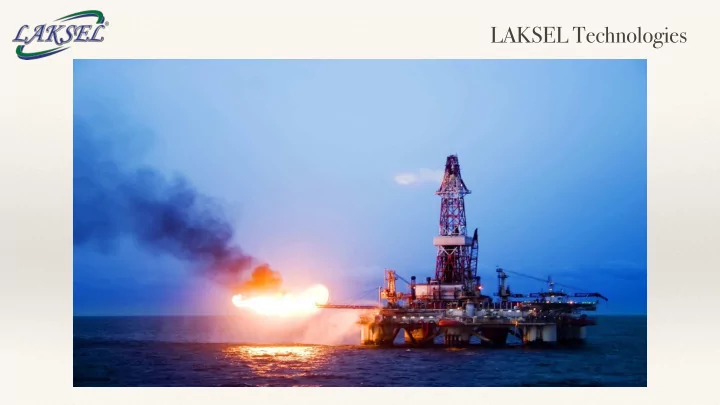
Natural Gas associated with oil production is often flared when there is no infrastructure in place to make use of the gas. Indonesia ranks 10th in global natural gas flaring, according to the Global Gas Flaring Reduction (GGFR) initiative. 1,000 cubic feet of raw natural gas may hold up to 12 gallons of NGLs, principally ethane, propane, butane, and natural gasoline. All of these have commercial value. Flaring the gas means that owners earn no income on the gas or its NGLs.
very short time.
Gas fields, refineries world wide.
Energy resources are not enough to fulfill the world energy requirement.
Hydro carbon gases . Through reliability, flexibility and rugged design using Liquid Ring Technology System.
features
FLARE GAS RECOVERY
Reduced facility emissions
Improved public rela6ons Reduced steam consump6on
Reduced purchase gas requirement Extended flare-6p life Zero impact
relief system
Flare Gas Recovery system one of the major environmental and energy conservation issue in almost all the Oil & Gas, Refinery and Chemical Industry. These valuable Hydrocarbon vapours are efficiently recovered in our Flare Gas Recovery using Liquid Ring Compressor Systems. The key is to correctly engineer & design the system for the variable availability of feed. Recovering these value of Hydrocarbons are giving grate savings to the users in-terms of energy conservation and environmental benefits from the local authority.
Normal Flaring Mode Recovery Mode
Process, mechanical ,Structural , Piping & E&I and Process Guarantee
Ø Isothermal Compression operates at Lower Temperature Ø Highest Volumetric Efficiency –90% Ø Lower Speed Operation Ø Reliable and calls for low Maintenance on account of low
Bearings Ø Lesser No. of Seals Ø Accepts Carry over, Solids and Process upset. Ø Lesser Controls on account of isothermal sturdy design and Ø external bearings Ø Improved Safety Non Sparking Ø Higher HP due to LR Ø Lower Equipment / Spare Cost Ø Standard Oil for Lubrication Ø Liberal Clearance Ø Adiabatic Compression Operates at Higher Temp Ø Lower Efficiency Ø Higher Speed Operation Ø High Maintenance for Bring ,Lube system, Vibration Control ,Surge Control & Protection System since bearings are internal Ø More No. of Seals Ø Can not Handle Carry Over , Solids and Saturated loads Ø Very Sophisticated Controls required. Ø Possibility of sparking Ø Relatively Lower HP Ø Higher Equipment / Spare Cost Ø Synthetic Oil for Lubrication. Ø Very fine / tight Clearance
LIQUID RING TECHNOLOGY SCREW & OTHER COMPRESSORS
OTHER AVAILABLE TECHNOLOGIES