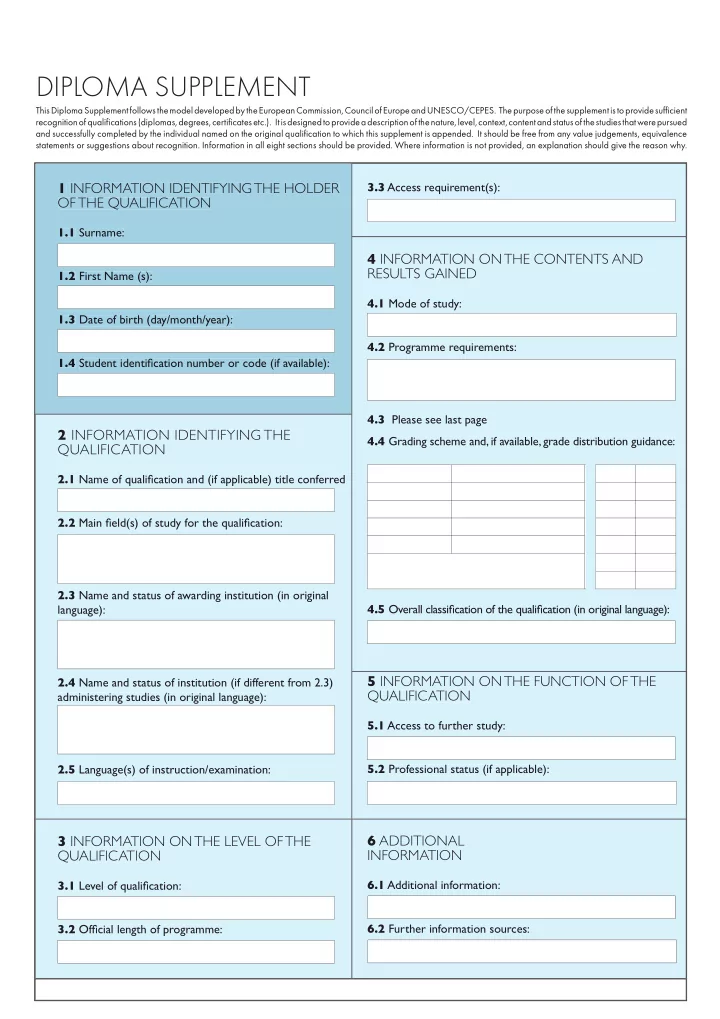
SLIDE 4 Introduction The higher education or third-level sector in Ireland includes a range of HigherEducationInstitutions–UniversitiesandInstitutesofTechnologyas wellasCollegesofEducation,theNationalCollegeofArtandDesign, non-State aided private higher education colleges and other National institutions.TheUniversitiesandCollegesofEducationarefundedbythe HigherEducationAuthority(HEA).TheInstitutesofTechnologyandthe Dublin Institute of Technology are funded directly by the Department of EducationandScience(www.education.ie) Ireland has a binary system of higher education, designed to ensure maximumfm exibilityandresponsivenesstotheneedsofstudentsandtothe widevarietyofsocialandeconomicrequirements.However,withineach sectorandbetweenthetwosectors,adiversityofinstitutionsofferdiffering typesandlevelsofcourses.TheUniversitiesareessentiallyconcernedwith undergraduate and postgraduate programmes, together with basic and appliedresearch.ThemainworkoftheInstitutesofTechnologyisinunder- graduateprogrammes,withasmallernumberofpost-graduateprogrammes andagrowinginvolvementinregionallyorientatedappliedresearch. GovernmentAgencies TheHigherEducationAuthority(HEA)(www.hea.ie)whichwasestablished in 1971 is responsible for furthering the development and assisting in the co-ordination of State investment in higher education. The National Qualifj cationsAuthorityofIreland(NQAI)(www.nqai.ie)wasestablished bytheQualifj cations(EducationandTraining)Act1999,andisresponsible forestablishingandmaintainingtheNationalFrameworkofQualifj cations. TheHigherEducationandTrainingAwardsCouncil(HETAC)(www.hetac.ie) whichwasalsoestablishedaspartofthe1999Actisthequalifj cations awarding body for the Institutes of Technology and other non-university highereducationcollegesandinstitutions.HETACmayalsodelegatethe authoritytomakeawardstoanInstituteofTechnology. HigherEducationInstitutions There are seven universities recognised under the Universities Act, 1997
- UniversityCollegeCork,UniversityCollegeDublin,NationalUniversityof
IrelandGalway,NationalUniversityofIrelandMaynooth,TrinityCollege Dublin,theUniversityofLimerickandDublinCityUniversity.TheUniversities validateandawardtheirownqualifj cationsaswellasthoseininstitutions recognisedbythemincludingforexample,theCollegesofEducation.The Universities have primary responsibility for their own quality assurance systemsandhaveestablishedtheIrishUniversitiesQualityBoard(IUQB) topromotebestpracticeinqualityassurancethroughouttheirsector.The Higher Education Authority also has a review role in relation to quality assuranceproceduresinUniversities. TherearethirteenInstitutesofTechnology(IoTs),whicharedesignatedunder theRegionalTechnicalCollegesAct1999.TheinstitutionsareAthloneIT,IT Blanchardstown,CorkIT,ITCarlow,DundalkIT,DunLaoghaireInstituteof Art,DesignandTechnology,LetterkennyIT,Galway-MayoIT,LimerickIT,IT Sligo,ITTallaght,ITTraleeandWaterfordIT. TheseconductprogrammesleadingtoawardsmadebytheHigher Education and Training Awards Council. In some cases, following a reviewprocess,theinstitutionshavebeenormaybedelegatedauthority bytheCounciltomakehighereducationandtrainingawardsthemselves. In addition, while the institutions have primary responsibility for quality assurance,theCouncilhasaqualityassurancemonitoringandreviewrole inrelationtotheinstitutions. OtherhighereducationcollegesandinstitutionsincludeNationalinstitutions, private colleges and other higher education and training institutions. However,underrecentlegislationanyproviderofeducationandtraining regardlessofthesourceofthatprovision,whetheritisinaneducational institution, the workplace or the community, can apply to the Higher EducationandTrainingAwardsCouncilforvalidationofaprogramme. Finally, the Dublin Institute of Technology (DIT) (www.dit.ie) makes its
- wnawardsfollowinglegislationwhichwaspassedin1997.WhileDIT
has primary responsibility for the implementation of quality assurance procedures,theNationalQualifj cationsAuthorityofIrelandhasaquality assurancereviewroleinrelationtotheseprocedures. NationalFrameworkofQualifj cations The National Framework of Qualifj cations (launched on 17 October 2003)setstheoverallstandardsoftheawardsoftheHigherEducation and Training Awards Council and the Dublin Institute of Technology, as wellasaccommodatingtheawardsoftheuniversities.TheFrameworkis thesingle,nationallyandinternationallyacceptedentity,throughwhichall learningachievementsmaybemeasuredandrelatedtoeachother,and whichdefj nestherelationshipbetweenalleducationandtrainingawards. Itisa10-levelframeworkwithhighereducationandtrainingawardsbeing madeatlevels6to10.TheNationalQualifj cationsAuthorityofIrelandhas defj nedaninitialsetof15majorawardtypesforeachofthe10levelsas follows: LEVEL MAJORAWARD-TYPE 10 DoctoralDegree 9 MastersDegreeandPost-graduateDiploma 8 HonoursBachelorDegreeandHigherDiploma 7 OrdinaryBachelorDegree 6 AdvancedCertifj cateandHigherCertifj cate 5 Level5Certifj cate 4/5 LeavingCertifj cate 4 Level4Certifj cate 3 Level3Certifj cate&JuniorCertifj cate 2 Level2Certifj cate 1 Level1Certifj cate AwardsatLevels7to10willbemadebytheHigherEducationandTraining Awards Council, the Dublin Institute of Technology, the Universities and InstitutesofTechnologywithDelegatedAuthority.AtLevel6,theHigher Certifj cateawardwillbemadebyHigherEducationandTrainingAwards CouncilandtheDublinInstituteofTechnology. TheNationalFrameworkisintheprocessofbeingimplemented.
DESCRIPTIONOFHIGHEREDUCATIONSYSTEMINIRELAND OCTOBER2003