Protein ins Proteins Proteins are energy-yielding nutrients - - PowerPoint PPT Presentation
Protein ins Proteins Proteins are energy-yielding nutrients composed of carbon , hydrogen , oxygen , nitrogen , and sometimes sulfur atoms Differ from carbohydrates and lipids because of the presence of nitrogen The human body has
Proteins
- Proteins are energy-yielding nutrients composed of carbon,
hydrogen, oxygen, nitrogen, and sometimes sulfur atoms
- Differ from carbohydrates and lipids because of the presence of
nitrogen
- The human body has at least 30,000 types of proteins, each with a
different biological function
Monomers and Polymers of f Proteins
- The monomer of a protein is an amino acid
- Polymers of proteins include dipeptides (two amino acids) and
polypeptides (many amino acids)
Amino Acids
- There are 20 amino acids that are bonded together in different
combinations to form thousands of different proteins
- DNA provides the instructions for how the amino acids will be bonded
to form the proteins in your body
Structure of f an Amino Acid
- Each amino acid as a variable group of atoms – this is called the R
group
- The R group is what makes each of the 20 amino acids different from
- ne another
- Draw a label an amino acid in your notes:
Examples of Amino Acids
Essential versus Nonessential Amino Acids
- Nonessential amino acids can be manufactured by the body
- Essential amino acids must be obtained through the foods you eat
(diet)
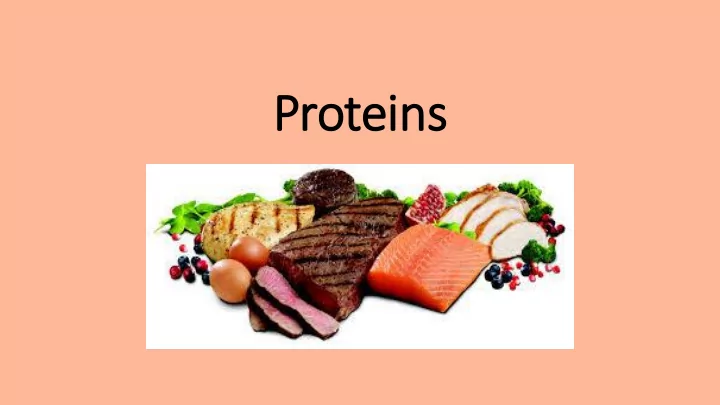
- Foods that are high in protein include: lean meats, fish, legumes
(beans), soybeans, egg whites, nuts
Peptide Bond Formation
- Two or more amino acids may be joined together by dehydration
synthesis
- The chemical bond that holds two or more amino acids together is
known as a peptide bond
Protein Shape Determines Function
- A sequence of amino acids, or polypeptide, must be folded into a
specific 3-dimensional shape in order to carry out its function
Protein Denaturation
- The 3-dimensional structure of a protein can be altered and changed
– this is called denaturation
- Denatured proteins lose their biological function
- Factors that cause denaturation include:
- Heat
- Changes in pH
- Alcohol
- Salt
Biological Function of Proteins
- How are proteins used by living organisms?
- Build and maintain body tissues
- Regulate body processes
- Coordinate movement
- Fight infection
- Transport molecules
- Control cell reactions
Body Tissues
- Proteins provide structure, support and covering of body
- Tissues, such as bone, muscle, tendons, ligaments, skin, hair
and nails are all composed of protein
- Examples include collagen and keratin
Regulate Body Processes
- Proteins regulate body processes by acting as hormones to
control metabolism
- Examples include insulin, growth hormone, and melatonin
Coordinate Movement
- Proteins can interact with one another and cause movement
- Examples include actin and myosin – two proteins that
compose muscle tissue
Fight In Infection
- Antibodies are specialized proteins that fight off microbes
and protect from infection
- Examples include gamma globulin and immunoglobulin
Transport Molecules
- Proteins can transport molecules into and out of cells across
the plasma membrane and also around the body
- Examples include hemoglobin (transports oxygen) and
transferrin (transports iron)
Control Cell Reactions
- Proteins act as catalysts (organic enzymes) to control the
rate of chemical reactions within cells
- Examples of enzymes include lactase and lipase
Protein Hydrolysis
- Proteins are broken down into amino acids when consumed
in foods
- The body can then use the free amino acids to assemble new
proteins that it needs