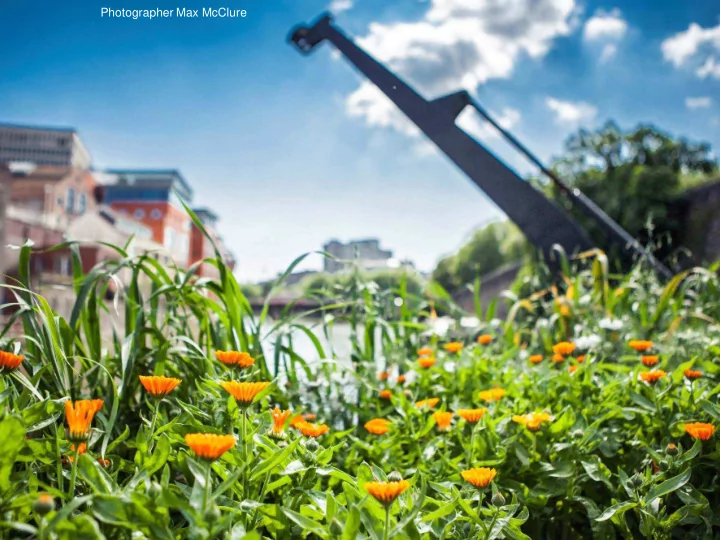
SLIDE 1 Photographer Max McClure
SLIDE 2 Wha hat w t will y you learn n to toda day?
- Discover what a ballast seed garden is
- Find out about Bristol’s very own floating garden
- Investigate some of the special Ballast Seed Plants and where in the
world they come from !
SLIDE 3
How do seeds normally travel?
SLIDE 4 Brazilian artist Maria Thereza Alves is interested in the way that plants travel from
world to another by being ‘stowaways’ on ships.
SLIDE 5
SLIDE 6
WHAT IS BALLAST?
Ballast helps to make a ship stable and to stay at a certain height in the water. Between 1680 and the early 1900s sailors used earth, stones and gravel from all over the world to weigh down their ships.
SLIDE 7
SLIDE 8 Today we use water instead of stones and earth to keep the ship stable and at a certain height in the water.
SLIDE 9
SLIDE 10
Maria Thereza the artist investigated how ballast used to be offloaded into the river at Bristol. The ballast sometimes contained the seeds of plants from wherever the ship had sailed So seeds from around the world were left lying in the mud on the banks of the river.
SLIDE 11
Maria Thereza discovered that these ballast seeds can lie dormant or asleep in the docks for hundreds of years, but by digging up the river bed, it is possible to wake the seeds up and grow them into flourishing plants!
SLIDE 12
So, the artist grew some seeds that she found in the Bristol docks. At first the seeds were grown in small pots...
SLIDE 13
Then Maria Thereza Alves decided that by collecting ballast seeds and growing them in a much ‘bigger way’ they could create an exciting living history of Bristol !
SLIDE 14 So she decided to build a
garden, not on the land but
SLIDE 15
First she chose a good site for the Ballast Seed Garden in Bristol and started to construct it....
SLIDE 16
Then the garden was filled with compost...
SLIDE 17
Plants were brought to the garden by boat...
ext, plants were brought to he garden by boat...
SLIDE 18
Finally the plants grew and enjoyed their new home!
SLIDE 19
The floating garden looks pretty cool at night too...
SLIDE 20
Now, you are going to build your own mini ballast seed garden ! Today you are going to learn about some of the special non native ‘ballast seed plants’ you will be planting and where in the world they originally came from...
SLIDE 21
Ballast Seed Plants: Plants from around the world
SLIDE 22
When you are planting your ballast seed garden you can imagine the journeys that the seeds may have made, carried to Bristol as cargo on an ancient ship, from a far-flung place. What journeys have you or your family made?
SLIDE 23 Italy India France Cyprus Egypt Morocco Spain The Caribbean Turkey Tunisia China
SLIDE 24
SLIDE 25