Building R Resi silienc ence e & the A Anch chor A r - - PowerPoint PPT Presentation

building r resi silienc ence e amp the a anch chor a r
SMART_READER_LITE
LIVE PREVIEW

Building R Resi silienc ence e & the A Anch chor A r - - PowerPoint PPT Presentation

Building R Resi silienc ence e & the A Anch chor A r Approach ch Innovations Conference 12 th November 2019 Protecting children from the risks of Alcohol: How could we do that? What does research say? The impact of


slide-1
SLIDE 1

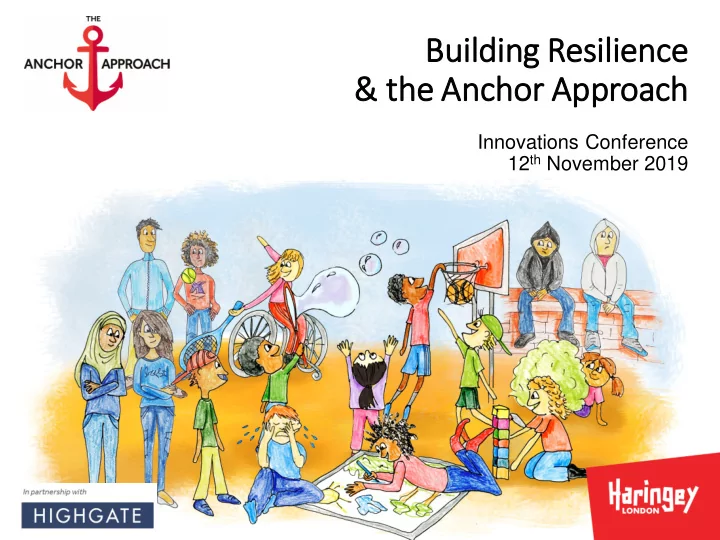
Building R Resi silienc ence e & the A Anch chor A r Approach ch

Innovations Conference 12th November 2019
slide-2
SLIDE 2

Protecting children from the risks of Alcohol:

  • How could we do that?
  • What does research say?
  • The impact of adversity on the developing brain

– from living with alcohol

slide-3
SLIDE 3

Emotio ion n Regula latio ion Resilienc lience Bui uilding lding

2 Areas of Focus:

Emotion Coaching John Gottman research Traditional Cultures research Brendtro, Brokenleg, Van Brockern

slide-4
SLIDE 4

Emotion Regulation

While Setting Limits

slide-5
SLIDE 5

Resilience Building:

Emmy Werner

  • Kauai Longitudinal Study – 50 years
  • 1955 – 698 children – Asian, Caucasian & Polynesian
  • 30% exposed to 4 or more risk factors
  • Chronic poverty
  • Perinatal complications
  • Parental psychopathology
  • Family discord
  • What protects against risk
  • Findings:
  • Belonging particularly important
  • They were all good at something – school or other skills
  • They learned to take control of their own lives
  • All who succeeded had faith in something or were committed to something bigger

Haringey Resilience Wheel based in research

slide-6
SLIDE 6

Based in Research:

Emmy Werner

  • Kauai Longitudinal Study – 50 years
  • 1955 – 698 children – Asian, Caucasian & Polynesian
  • 30% exposed to 4 or more risk factors
  • Chronic poverty
  • Perinatal complications
  • Parental psychopathology
  • Family discord
  • What protects against risk
  • Findings:
  • Belonging particularly important
  • They were all good at something – school or other skills
  • They learned to take control of their own lives
  • All who succeeded had faith in something or were committed to something bigger
slide-7
SLIDE 7

Accessing Information & Training:

Anchor Approach website:

www.haringey.gov.uk/anchor

Central Training Programme 2019/20:

https://www.haringey.gov.uk/sites/haringeygovuk/files/anchor-aut-spr-sum-training-programme-2019-20.pdf

slide-8
SLIDE 8
slide-9
SLIDE 9

Look after ourselves so that we can look after others

slide-10
SLIDE 10

THINKING BRAIN STRESSED BRAIN fight – flight - freeze

slide-11
SLIDE 11

STRESSED BRAIN fight – flight - freeze

Crocodile is constantly looking out for danger…

  • Sensitivity to shame
  • Impulsive behaviour
  • Hypervigilance
  • Propensity to rage

Impact of Adversity:

  • Emotion Coaching helps

to keep crocodile feel safe

  • Strengthening developmental

needs builds resilience

What helps croc relax?

slide-12
SLIDE 12

When developmental needs of belonging, achieving, empowerment & purpose are met, children thrive

Resilience can be learned…

Helpful adults:

Emotion coach – in the moment Meet developmental needs

  • for long-term recovery & change

Beneficial for ALL, essential for SOME

slide-13
SLIDE 13

Contact Details:

Ceri May – Anchor Approach Manager The Anchor Approach anchor@haringey.gov.uk