Roman York Medieval York William Etty keeping an eye on Bootham - - PowerPoint PPT Presentation

roman york medieval york
SMART_READER_LITE
LIVE PREVIEW

Roman York Medieval York William Etty keeping an eye on Bootham - - PowerPoint PPT Presentation

Roman York Medieval York William Etty keeping an eye on Bootham Bar and the City Wall City wall at Bishophill St Sampsons Square as a car park Extract from the 1948 Plan for York Lord Eshers 1968 study Esher's plan for York:


slide-1
SLIDE 1
slide-2
SLIDE 2

Roman York

slide-3
SLIDE 3

Medieval York

slide-4
SLIDE 4

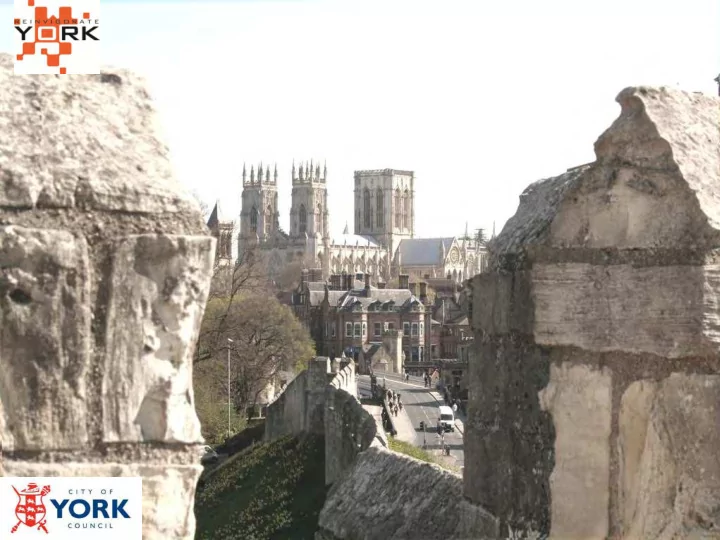
William Etty keeping an eye

  • n Bootham Bar

and the City Wall

slide-5
SLIDE 5

City wall at Bishophill

slide-6
SLIDE 6

St Sampson’s Square as a car park

slide-7
SLIDE 7

Extract from the 1948 Plan for York

slide-8
SLIDE 8

Lord Esher’s 1968 study

slide-9
SLIDE 9

Esher's plan for York: proposed new development and improvements to streets and spaces are in orange

slide-10
SLIDE 10
slide-11
SLIDE 11

Conservation areas

slide-12
SLIDE 12

Area of Archaeological Importance

slide-13
SLIDE 13

Scheduled Monuments

slide-14
SLIDE 14

City Centre Listed Buildings

slide-15
SLIDE 15

Open space

slide-16
SLIDE 16

“All towns are unique; only a few are special. York is special, not for one reason, but for a multitude. The inner city is world famous; outside the city walls, York is distinctive. The city as a whole is a mirror of British history and architecture. It is a special community whose evolution is exceptionally well recorded. It is a city whose future wealth is likely to be built successfully on these assets. As a special place, York needs special care…” Ron Cooke, York Civic Trust, Why York is Special, 2006

slide-17
SLIDE 17

“The city’s heritage capital is one of the central pillars of York’s attractiveness and a major contributing factor to its economic competitiveness” York Retail Study 2008

slide-18
SLIDE 18

2010

slide-19
SLIDE 19
slide-20
SLIDE 20

“York must improve investor confidence by enhancing the quality of the city centre as a place. Its public realm, depleted and tired, must be greatly improved in order to remain attractive and competitive... ...As the glue that binds the people and the physical fabric together, the city’s culture and heritage play a significant role in enhancing economic competitiveness.”

slide-21
SLIDE 21

Get York Building February 2013 “City of York Council plays a key role in unlocking developments that can be brought forward, which is why we’re launching a new initiative called Get York Building, which will provide much-needed more sustainable homes, help the local economy, unblock the house-building market and provide a much-needed boost to employment, reducing benefits dependency while creating a knock-

  • n impact in the wider prosperity of the city.”
slide-22
SLIDE 22

“One of the clear priorities through the Get York Building initiative is to develop and invest £1 million into much needed new and existing council homes and bring sustainable development forward quickly.

slide-23
SLIDE 23

Evidence base to support the emerging planning policy framework

slide-24
SLIDE 24

P o l i c y D 2 : P l a c e m a k i n g Development proposals will be supported where they improve poor existing urban and natural environments, enhance York’s special qualities and better reveal the significances of the historic environment. Development proposals that fail to take account of York’s special qualities, fail to make a positive design contribution to the city, or cause damage to the character and quality of an area will be refused...

slide-25
SLIDE 25

P o l i c y D 1 0 : T h e S i g n i f i c a n c e o f N o n - D e s i g n a t e d H e r i t a g e A s s e t s Development proposals will be encouraged and supported where they are designed to sustain, enhance, and add value to the special qualities and significance of York’s historic environment, including non-designated heritage assets. The significance of non-designated heritage assets and their settings should be assessed in development proposals against the following criteria, namely the:

  • special architectural or vernacular interest; and/or
  • townscape and landscape significance; and/or
  • historic interest; and/or
  • artistic significance; and/or
  • archaeological significance; and/or
  • age and rarity; and/or
  • community significance.
slide-26
SLIDE 26

Heritage Topic Paper

slide-27
SLIDE 27

Principal Characteristics

Strong Urban Form

slide-28
SLIDE 28

Principal Characteristics

Strong Urban Form Compactness

slide-29
SLIDE 29

Principal Characteristics

Strong Urban Form Compactness Landmark Monuments

slide-30
SLIDE 30

Principal Characteristics

Strong Urban Form Compactness Landmark Monuments Architectural Character

slide-31
SLIDE 31

Principal Characteristics

Strong Urban Form Compactness Landmark Monuments Architectural Character Archaeological Complexity

slide-32
SLIDE 32

Principal Characteristics

Strong Urban Form Compactness Landmark Monuments Architectural Character Archaeological Complexity Landscape and Setting

slide-33
SLIDE 33
slide-34
SLIDE 34
slide-35
SLIDE 35
slide-36
SLIDE 36
slide-37
SLIDE 37
slide-38
SLIDE 38
slide-39
SLIDE 39
slide-40
SLIDE 40
slide-41
SLIDE 41

Coney Street before and after pedestrianisation

slide-42
SLIDE 42

Public realm strategy

slide-43
SLIDE 43
slide-44
SLIDE 44
slide-45
SLIDE 45

King’s Square before enhancement

slide-46
SLIDE 46

King’s Square after enhancement

slide-47
SLIDE 47

City of York Historic Characterisation Project 2013-2014

slide-48
SLIDE 48
slide-49
SLIDE 49

Area 25: Location

slide-50
SLIDE 50

Area 25: 1852

slide-51
SLIDE 51

Area 25: Topography

slide-52
SLIDE 52

Area 25: Designated Assets

slide-53
SLIDE 53

Area 25: Historic

slide-54
SLIDE 54

Area 25: Figure Ground

slide-55
SLIDE 55
slide-56
SLIDE 56

Aldwark and Hungate

slide-57
SLIDE 57

Topography

slide-58
SLIDE 58

Building height

slide-59
SLIDE 59

Building history

slide-60
SLIDE 60

Listed buildings

slide-61
SLIDE 61

Designations

slide-62
SLIDE 62

Figure ground

slide-63
SLIDE 63

Archaeological interventions

slide-64
SLIDE 64

Roman

slide-65
SLIDE 65

Anglo-Scandinavian

slide-66
SLIDE 66

Medieval

slide-67
SLIDE 67

Post-medieval

slide-68
SLIDE 68